





Explore TRIUM’s video library, from program overviews and module introductions to faculty insights, geopolitics conversations and alumni stories. Use this page to find short clips that explain who TRIUM is for, how the program is structured and what our global cohort and faculty bring to the experience.
All videos
Introducing TRIUM
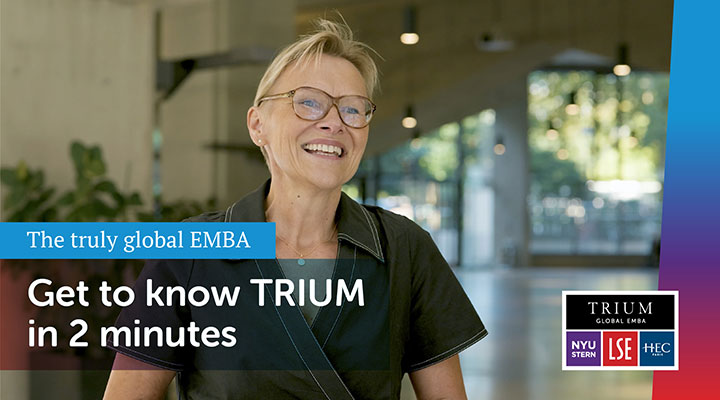
Get to know TRIUM in 2 minutes
TRIUM faculty and alumni introduce the TRIUM program. They explain who it’s for, what makes it different and why a senior executive considering studying for a Global EMBA should consider TRIUM.
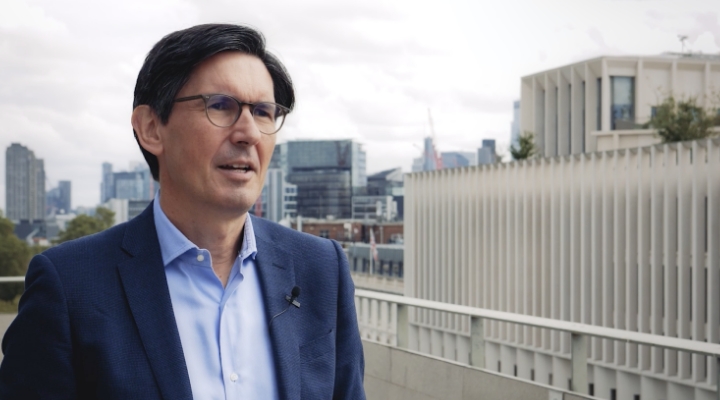
Introducing the TRIUM Program
TRIUM Academic Dean Professor Robert Falkner explains how the partnership between NYU Stern, LSE and HEC Paris combines foundational modules in geopolitics, strategy, finance and operations with immersive “away” modules in Asia, Africa and the Middle East focused on regional dynamics, new business models and emerging start-ups.
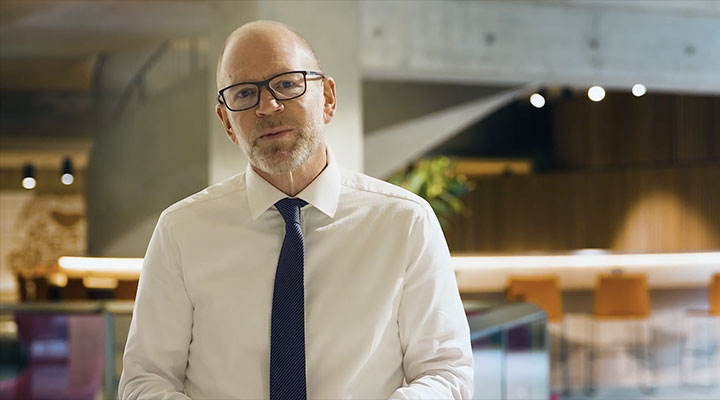
Why do senior executives join TRIUM?
TRIUM Capstone Director Professor Matt Mulford explores why senior, highly accomplished executives choose TRIUM. He explains that beyond advanced business skills and concepts, what truly matters is understanding the political and social forces shaping the world, and how global leaders must navigate the intersection of business, politics and society to be effective today.
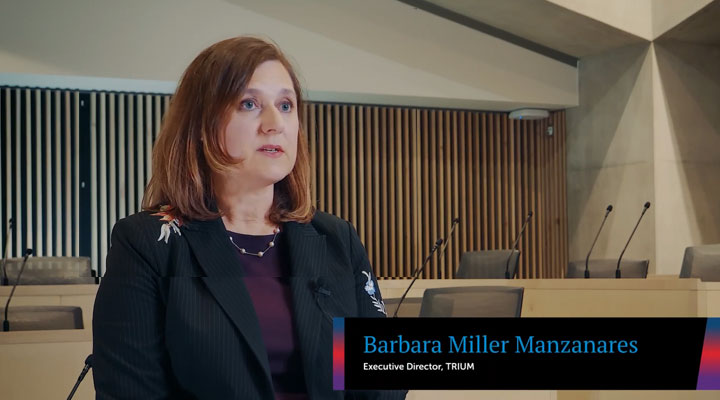
The LSE Factor
This video explains the “LSE factor” that makes TRIUM distinctive. The LSE, as a leading social science university rather than a business school, brings geopolitical, socio-economic and international relations perspectives into the curriculum, helping TRIUM students anticipate global challenges and take a more proactive, strategic approach to decision-making.

The TRIUM Cohort
This video explores what makes the TRIUM cohort so distinctive: small classes with 30–40 nationalities, senior leaders from 20+ sectors and a strong presence of female executives. Alumni share how the diversity of cultures, perspectives and personalities shaped the classroom experience as much as the world-class professors did.
TRIUM modules
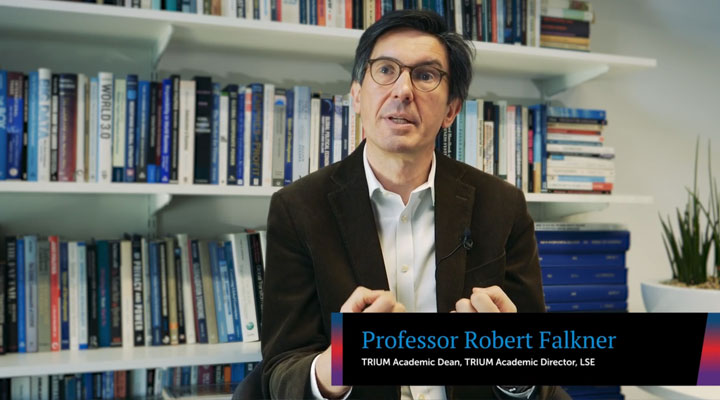
Introducing Module 1: London
Professor Robert Falkner introduces TRIUM’s first module, focused on the connection between politics, economics and global business. It shows how students explore the political economy of globalisation, finance, trade and investment, and learn to navigate radical uncertainty and geopolitical risk when shaping future business strategy.

Introducing Module 3: Paris
Professor Laurence Lehmann-Ortega, Academic Director for the HEC Paris modules, introduces TRIUM’s Module 3 in Paris. She explains how the module deep-dives into operations, supply chain, marketing and corporate strategy while challenging executives to innovate their business models and explore Paris’s entrepreneurial and luxury ecosystems.
Introducing Module 4: Seoul
Professor Robert Falkner introduces TRIUM’s Module 4 in Seoul, South Korea. He explains why Seoul – at the intersection of major geopolitical forces and technological change – is the ideal place to explore advanced strategy, innovation and the impact of AI, robotics and digital business models across Asia’s fast-evolving markets.

Introducing Module 5: Nairobi
Professor Robert Falkner introduces TRIUM’s Module 5 in Nairobi, Kenya. He explains why TRIUM has added Africa to its global footprint, and how the module uses Kenya’s frontier economy, vibrant tech and start-up scene, and surge of international investment to explore new business models, sustainability and innovation in high-growth African markets.
Capstone in Focus
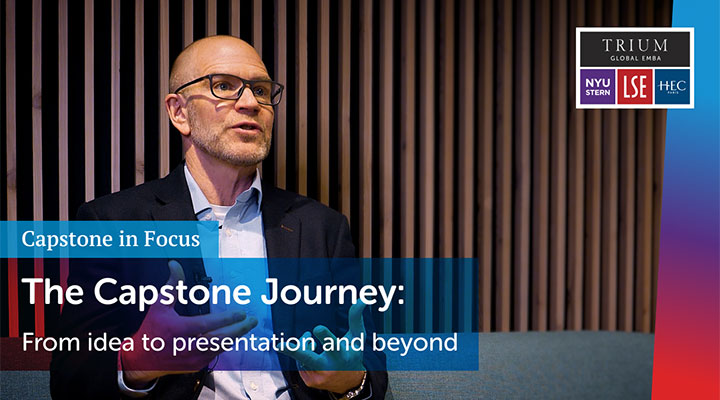
The Capstone Journey: From Idea to Presentation and Beyond
Learn about the Capstone Journey with a walkthrough of how the Capstone unfolds across the program, from the first two-minute idea pitch to the final presentation in front of faculty and alumni. Students can choose from three different project paths: a greenfield start-up, a social entrepreneurship venture, or an internal company project tackling a real strategic challenge.
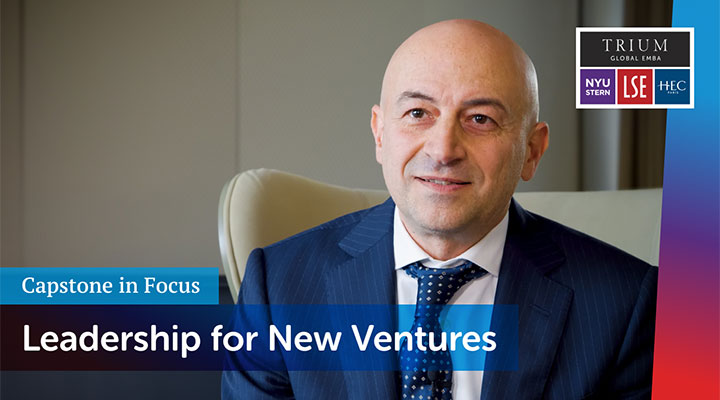
Capstone Project: Leadership for New Ventures
The Capstone Project helps students step outside their comfort zone, apply what they are learning in a real-world context and discover their leadership potential. Capstone works as a leadership exercise without hierarchy, where participants learn to make decisions, solve problems and influence others through persuasion rather than formal authority. For some, it also becomes the foundation of a real business idea that continues beyond the program.
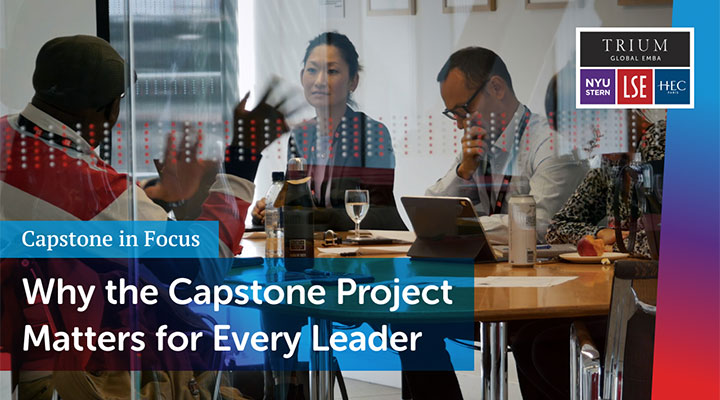
Why the Capstone Project Matters for Every Leader
Why does the Capstone Project matter—even if you’re not planning to launch a start-up? This video explains how the TRIUM Capstone Project takes students step by step through the innovation process: from generating ideas to shaping them into a credible business proposal backed by research and a clear plan. The message is simple: in an uncertain world, leaders need to understand how innovation works. The Capstone Project helps build that capability.
Geopolitics in Focus
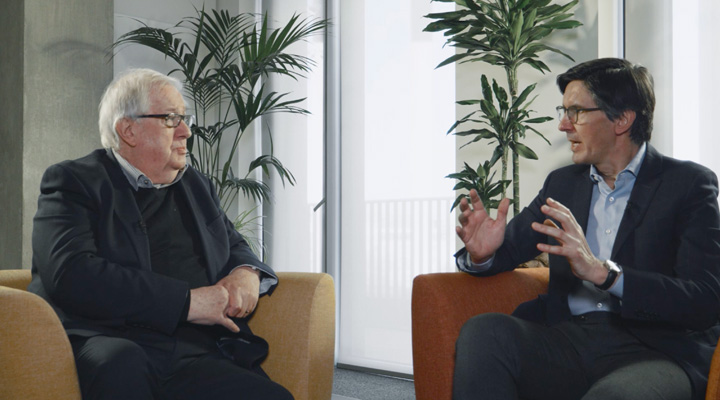
Geopolitics in Focus #1: Business leadership in the multi-polar world
Part 1 of Geopolitics in Focus, a TRIUM faculty conversation, looks at how the international system is moving beyond the post–Cold War era and why that creates growing uncertainty for governments and business leaders. It also examines how populism is reshaping politics and how US–China competition is defined by interdependence, not a simple Cold War replay. The discussion closes with leadership lessons: expect black swans, avoid groupthink, and build resilience by seeking diverse viewpoints.

Geopolitics in Focus #2: The EU – a moment of opportunity?
In this second episode of TRIUM Geopolitics in Focus, Professor Sara Hobolt and Professor Robert Falkner discuss the European Union as a global actor in a fracturing international order. They explore the EU’s economic strength and security weakness, debates over deeper fiscal and defence integration, the rise of populism and Euroscepticism, and what all this means for business leaders trying to navigate Europe’s future role on the world stage.
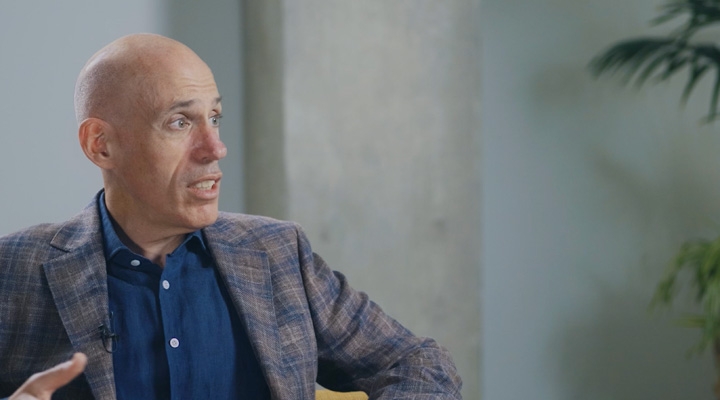
Geopolitics in Focus #3: Are political shocks reshaping the global financial system?
In Episode 3 of TRIUM Geopolitics in Focus, Professor Jeff Chwieroth joins Professor Robert Falkner to explore the international financial order. They discuss the benefits and risks of deep financial integration, the weaponisation of the US dollar, efforts to build alternative payment systems, and possible futures for a more multi-polar monetary system – and what all of this means for global business leaders.
Graduation videos
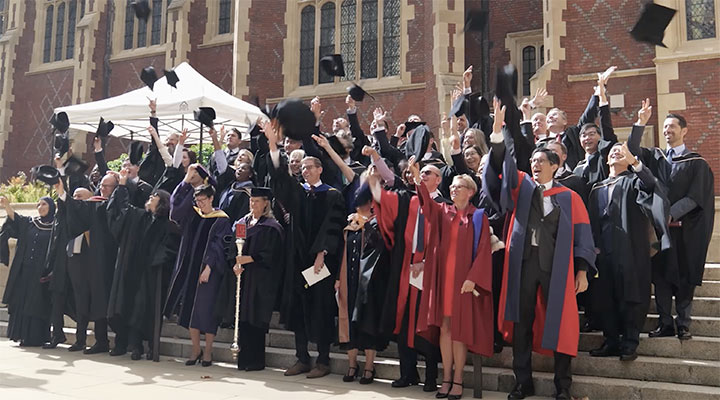
TRIUM Class of 2025 Graduation
Join the TRIUM Class of 2025 on their Graduation Day, as they celebrate their achievement of earning a Global EMBA.

TRIUM Class of 2024 Graduation
Join the TRIUM Class of 2024 on graduation day, as they celebrate their achievement of completing a Global EMBA.
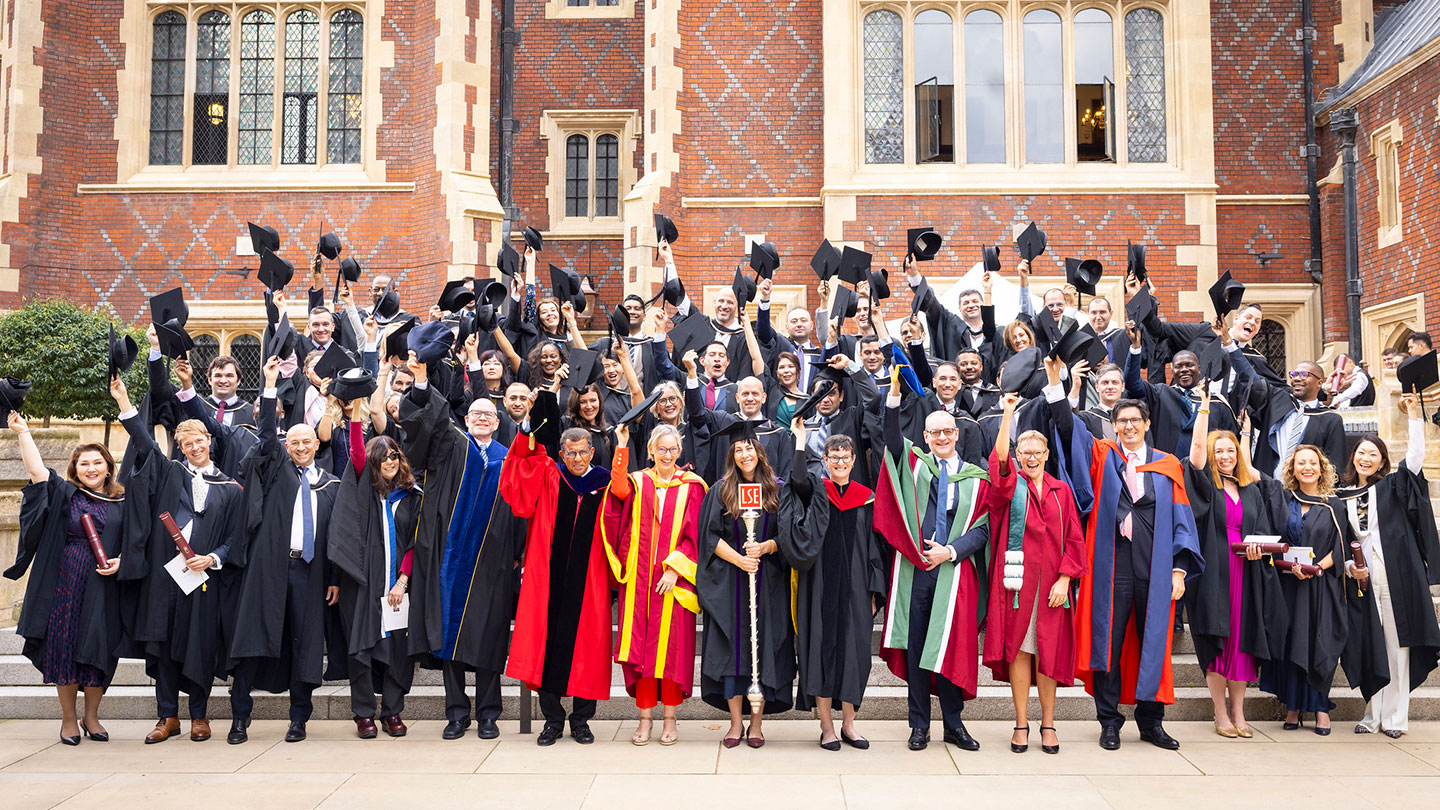
TRIUM Class of 2023 Graduation
Join the TRIUM Class of 2023 as they celebrate their achievement of completing a Global EMBA. This video provides an insight into what happens on Graduation Day.
Alumni insights

Alumni Insights
TRIUM alumni reflect on why they chose the program and how it’s changed them as leaders. They talk about studying with a seasoned, globally diverse cohort, engaging with big geopolitical themes, and how TRIUM has expanded their perspective, confidence and career options, while giving them a community and network that lasts far beyond graduation.
Faculty insights
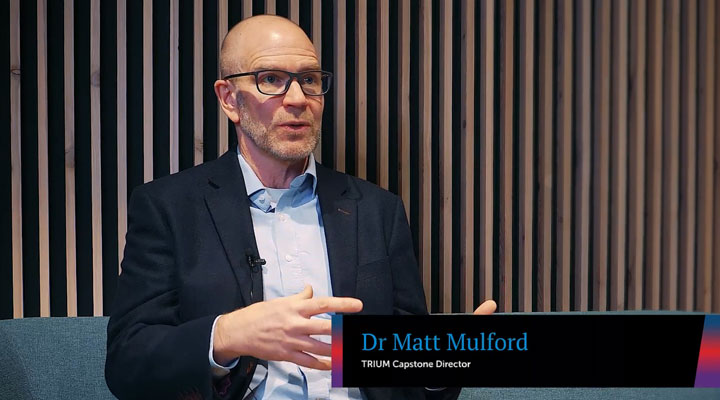
Mastering Decision Making
This video explores how TRIUM helps leaders improve their decision making. It explains why even smart, well-prepared executives make predictable errors, and introduces the idea of “decision hygiene” and the leader’s role as a decision architect who designs processes to minimise bias and improve judgment quality.
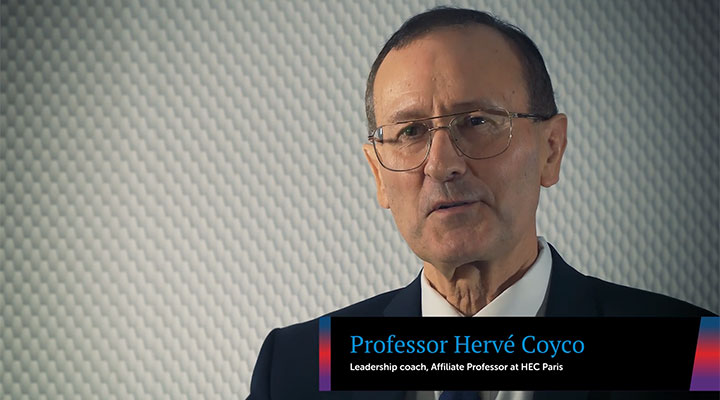
Leadership 4.0
This video explores how leadership is changing in an increasingly complex, uncertain world. Moving beyond the old “hero leader” model, it argues for Leadership 4.0: a shared, collective approach where leaders don’t claim to have all the answers, but instead harness their team’s collective intelligence, ask better questions, listen deeply and balance financial results with social, ethical and environmental responsibilities.
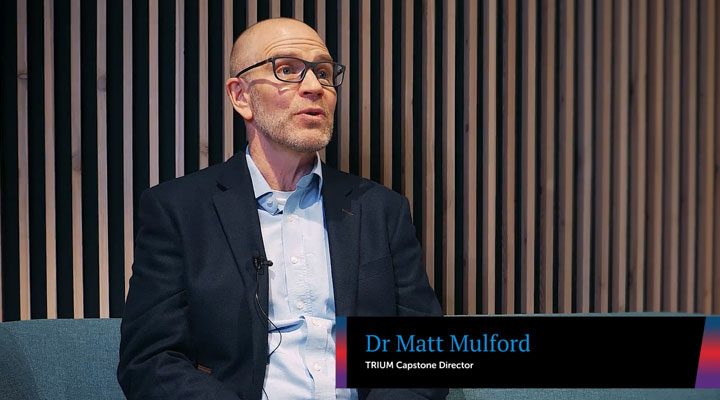
How to be a better consumer of information
This video introduces TRIUM’s Quantitative Analysis course and explains why it matters for senior leaders. Rather than turning executives into statisticians, it focuses on evidence-based management: giving leaders the tools and confidence to question quantitative work, test their assumptions and become more intelligent, sceptical consumers of data.
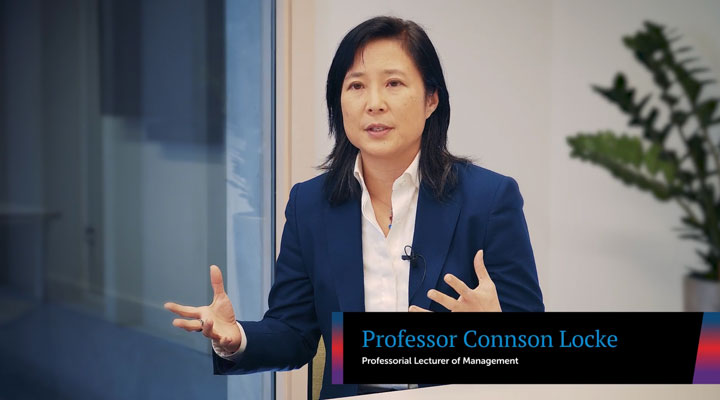
Diversity as an Asset
This video explores how TRIUM develops leaders to work effectively in truly diverse, global teams. It explains why diversity goes far beyond gender or nationality, and shows how students are challenged to broaden their perspectives, listen to different ways of thinking and learn to leverage diversity as a strategic asset in leading global organisations.